Embassy of Timor-Leste · Republic of Korea
Discovering Timor-Leste
A Young Nation, Ancient Soul, and the Newest Voice of ASEAN
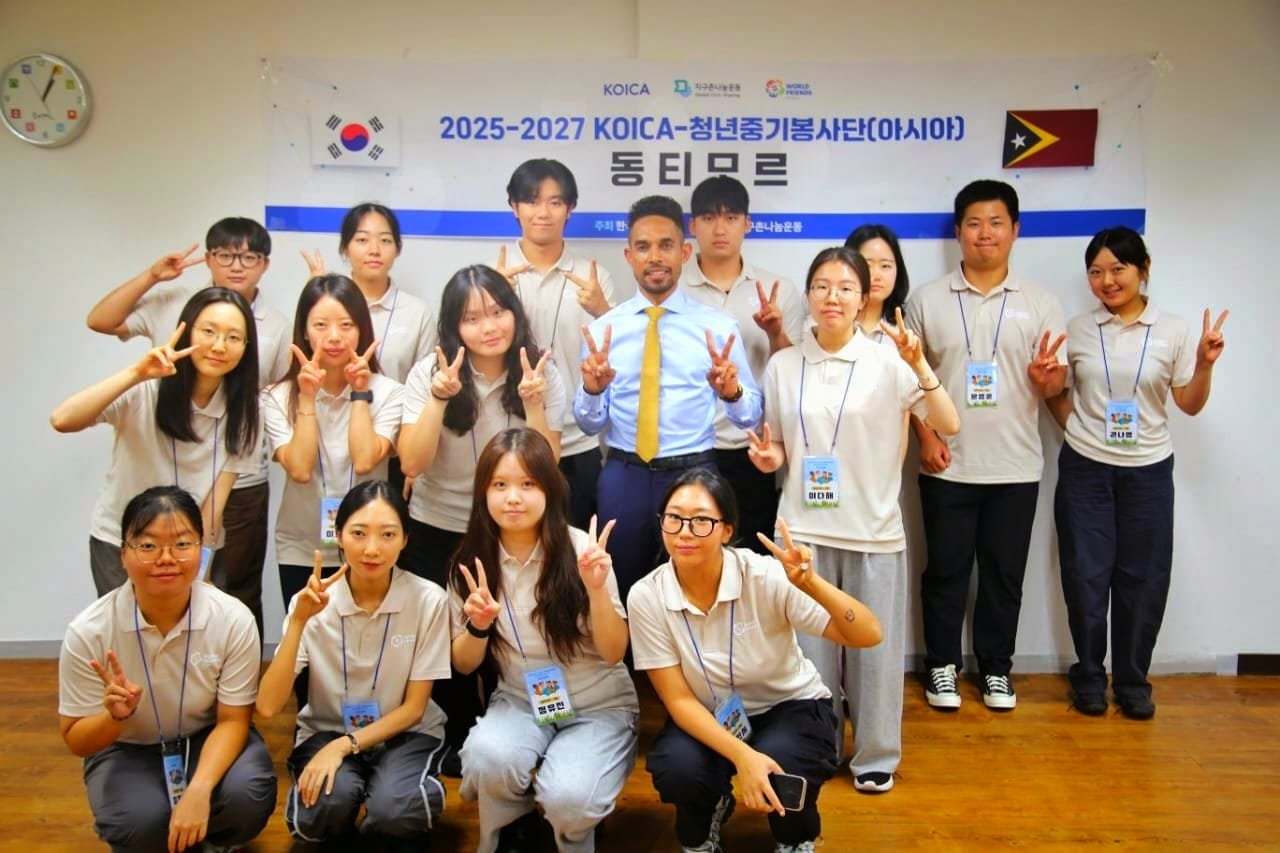
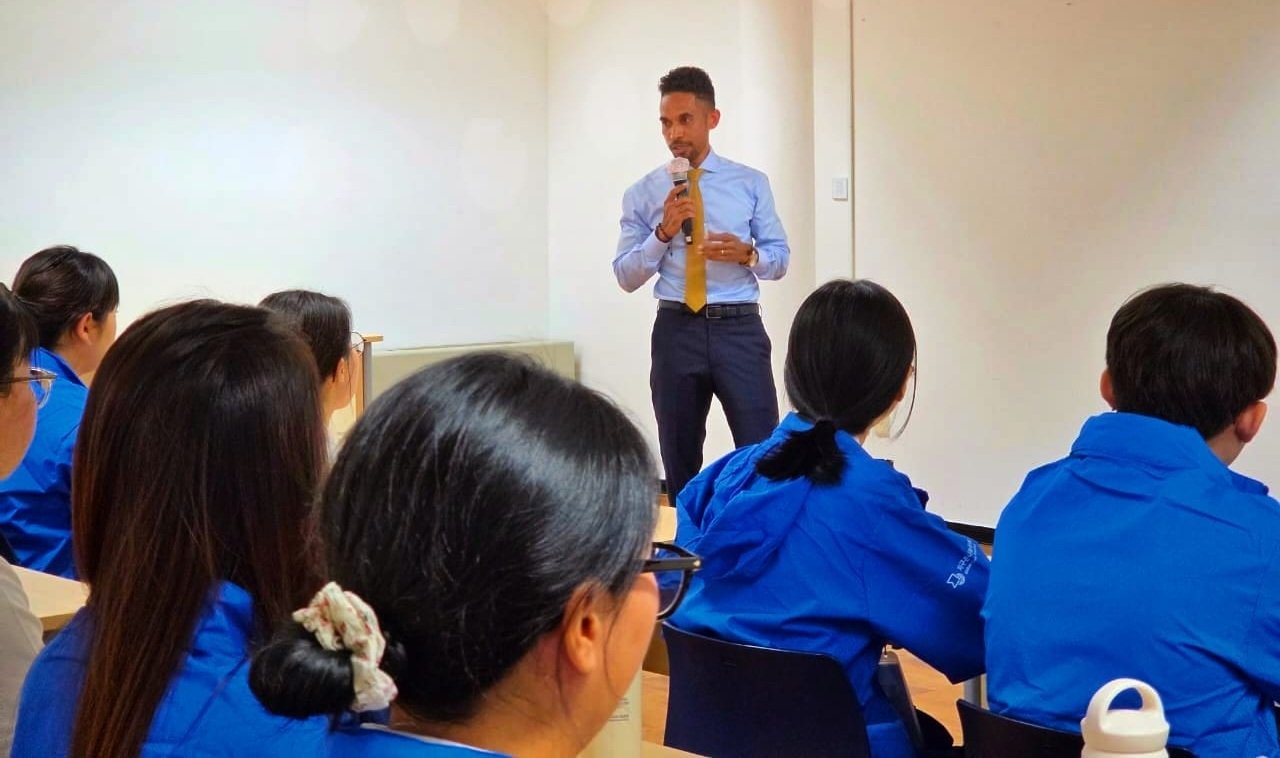
◆António da Cruz Santa, Third Secretary of the Embassy of Timor-Leste to the Republic of Korea, delivers the lecture to participants of the Youth Mid-Term Volunteer Dispatch Program 2026.
Yangjae, Seoul — The room fell silent when António da Cruz Santa asked a deceptively simple question: “What do you know about Timor-Leste?” Among the young Koreans seated before him, not a single hand went up. In a matter of weeks, these same volunteers would be landing in Dili — a city most of them couldn’t locate on a map, in a country many had never heard of until they received their placement assignment.
On 21 July 2026, at the KOICA Global Education and Training Center, the Third Secretary of the Embassy of Timor-Leste to the Republic of Korea set out to close that knowledge gap. His lecture — “Discovering Timor-Leste: A Young Nation, Ancient Soul, and the Newest Voice of ASEAN” — was their last stop before boarding their flights, and their first real step toward understanding the nation they had committed to serve.
Santa structured his presentation as a journey through five dimensions of the country: its people and how the nation came to be; its government and place in the world; its evolving economy; its culture and daily life; and, finally, the quiet but enduring bond between Timor-Leste and Korea. The objective was straightforward yet ambitious — by the time these volunteers touched down in Dili, Timor-Leste should feel less like a stranger and more like a place they had already begun to know.
So, where exactly is this country, and what does it look like on paper?
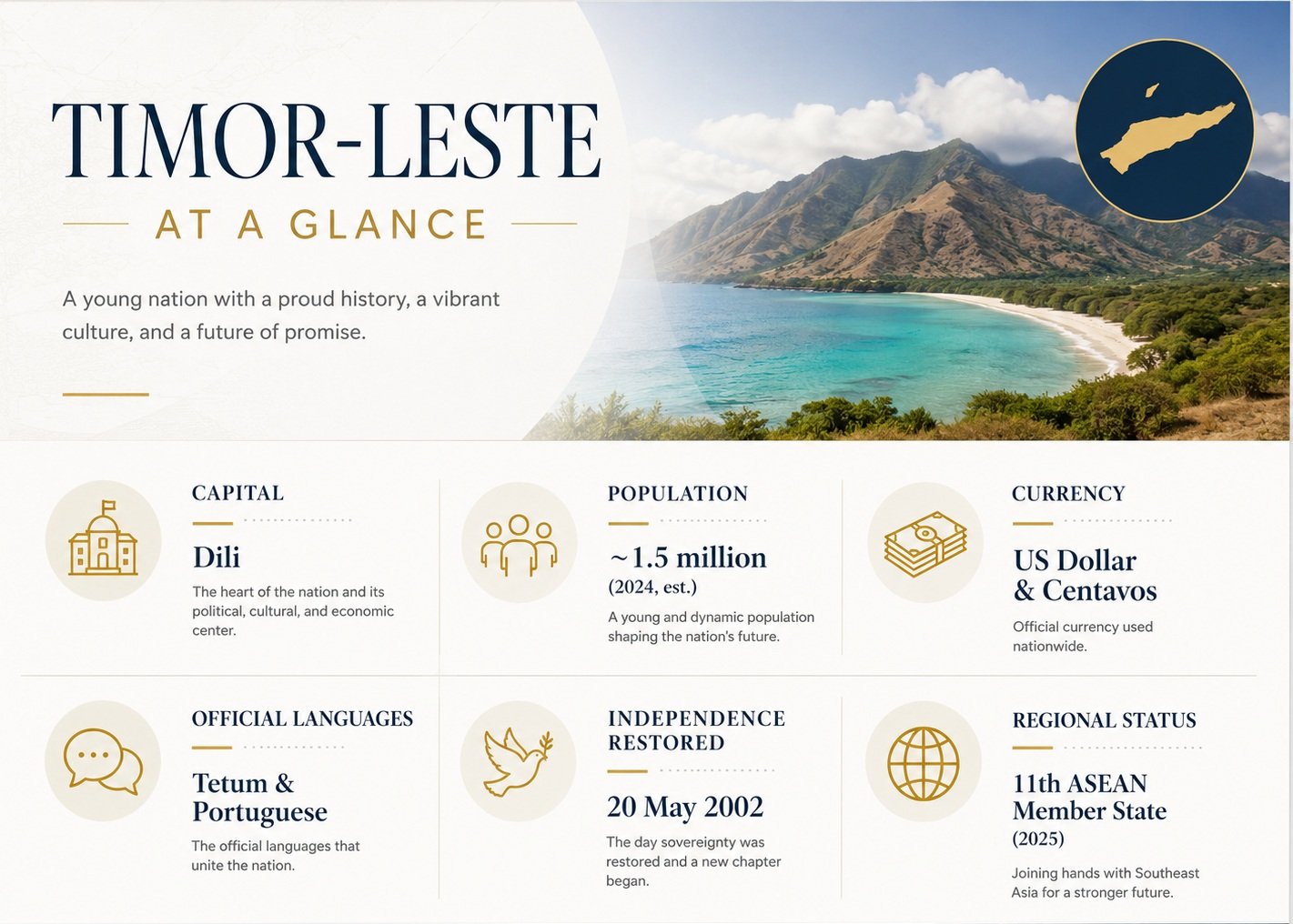
Timor-Leste occupies the eastern half of Timor Island, along with the Oecusse enclave and the small islands of Atauro and Jaco. It sits squarely within the Coral Triangle, a vast marine ecosystem that scientists consider the most biodiverse stretch of ocean on Earth — which is why its reefs teem with an almost otherworldly abundance of life, from pygmy seahorses to migrating whales. On a map, as Santa put it, Timor-Leste is a small dot — but small on the map does not mean small in the eyes of the world.
But the country's real story, as Santa explained to the rapt audience, is one of extraordinary patience. For nearly five centuries, Timor-Leste lived under Portuguese colonial rule before unilaterally declaring independence on 28 November 1975. That freedom was brutally brief — within days, Indonesian forces invaded, beginning a 24-year occupation that would claim an estimated 100,000 to 180,000 lives. It took until 20 May 2002 for independence to be formally restored, making Timor-Leste the first new sovereign nation of the twenty-first century.
Today, Timor-Leste governs itself as a semi-presidential republic, with power distributed across four institutions that check and balance one another: a President as Head of State, a National Parliament that legislates, a Prime Minister who runs the government day to day, and a Court of Appeal that interprets the law. It is a system designed, Santa noted, to prevent the concentration of power that had enabled decades of oppression.
That same hard-won wisdom shapes how Timor-Leste engages with the wider world. Its constitution enshrines a foreign-policy principle known as the “Zero Enemy Policy,” the conviction that a small, young nation is better served by making friends than by making enemies. It is not mere idealism — it is survival strategy distilled into doctrine.
The philosophy appears to be paying off. On 26 October 2025, at the 47th ASEAN Summit in Kuala Lumpur, Timor-Leste was formally welcomed as the bloc's 11th member state. It was ASEAN's first expansion in 26 years, since Cambodia's accession in 1999, capping a 14-year accession process and connecting Timor-Leste to a community of more than 680 million people across Southeast Asia. For a country that had spent decades fighting simply to exist, the moment carried a weight that many in the room could only begin to imagine.
“Enemy to no country, friend to every country.”
The guiding philosophy of Timor-Leste’s foreign policy, rooted in Article 8 of the Constitution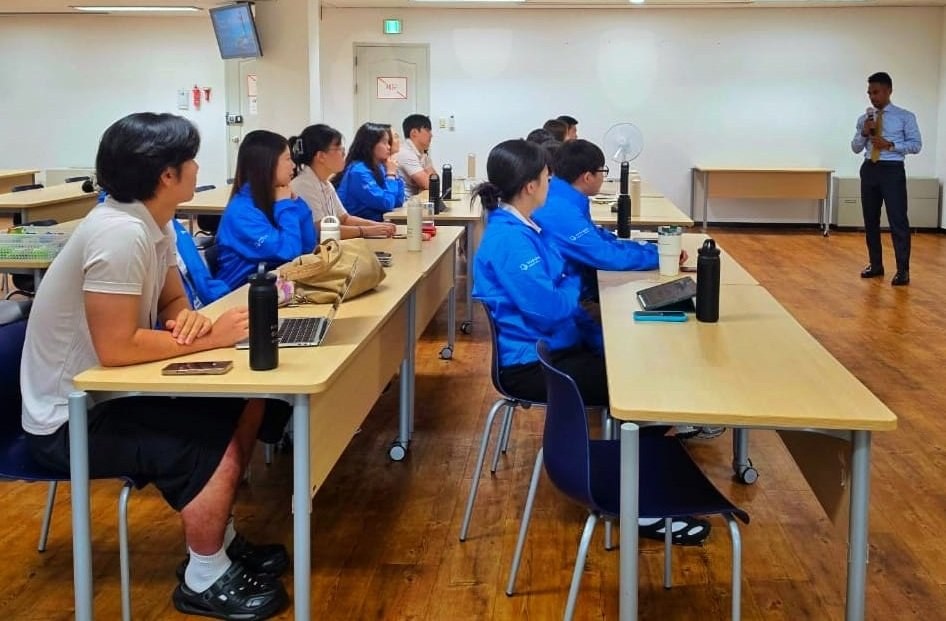
Politics aside, Santa was candid about the road still ahead economically. About 41% of Timorese live below the poverty line, so the government has settled on three mutually reinforcing priorities: growth that reaches ordinary people, an educated and skilled workforce, and the basic infrastructure a country needs to function. These are not abstract goals — they are the foundation upon which everything else must be built.
That last priority is now visibly under construction across the country. A new deep-water port at Tibar Bay is modernising trade and reducing the cost of imports. A submarine cable linking Darwin and Dili is bringing faster, more reliable internet to a nation where connectivity has long been a bottleneck. And two international airports — in Dili and Oecusse — are opening the country up further, connecting Timor-Leste to its neighbours and to the world.
Away from the construction sites, Timor-Leste has already carved out an unlikely global reputation among coffee connoisseurs. Its beans are grown organically in the cool highlands of Ermera and Maubisse, where volcanic soil and altitude produce a cup that is smooth, low in acidity, and increasingly sought after. Among the varieties cultivated there is the Hibrido de Timor, a naturally disease-resistant strain that coffee breeders around the world have relied on for decades to fortify other crops against rust and blight.
Step outside the topic of infrastructure and into everyday life, and Timor-Leste sounds like a small country with an unusually large vocabulary. Tetum and Portuguese are the official languages, Indonesian serves as the primary working language, and English is increasingly used in education and government. Beyond these, more than fifteen indigenous languages are still spoken from village to village — among them Mambai, Makasai, and Tetun Terik — each carrying its own stories, its own humour, its own way of seeing the world.
Faith runs just as deep. Timor-Leste is a secular state that protects religious freedom, yet roughly 98% of its people are Roman Catholic — a legacy of Portuguese colonisation that survived decades of Indonesian occupation and remains woven into the fabric of daily life. Smaller Protestant, Evangelical, and Muslim communities live comfortably side by side, their presence a quiet testament to the country's tradition of tolerance.
Woven through all of it, quite literally, is Tais — Timor-Leste's traditional hand-loomed textile, worn at births, weddings, and funerals alike. Each piece tells a story through its patterns, and each region has its own distinctive style. In December 2021, UNESCO recognised Tais as an Intangible Cultural Heritage, acknowledging what Timorese had always known: that these cloths are not merely fabric, but living archives of identity and memory.
For anyone who simply wants to see the country rather than read about it, Santa pointed to two places worth the journey. The reefs of Atauro Island, still part of that same Coral Triangle, offer some of the healthiest marine ecosystems on the planet — a underwater cathedral of colour and life. And the summit of Mount Ramelau, the country's highest peak at nearly 3,000 metres, draws hikers who climb through the night to watch the sun rise above the clouds, painting the landscape in shades of gold and amber that linger long after the descent.
In Pictures
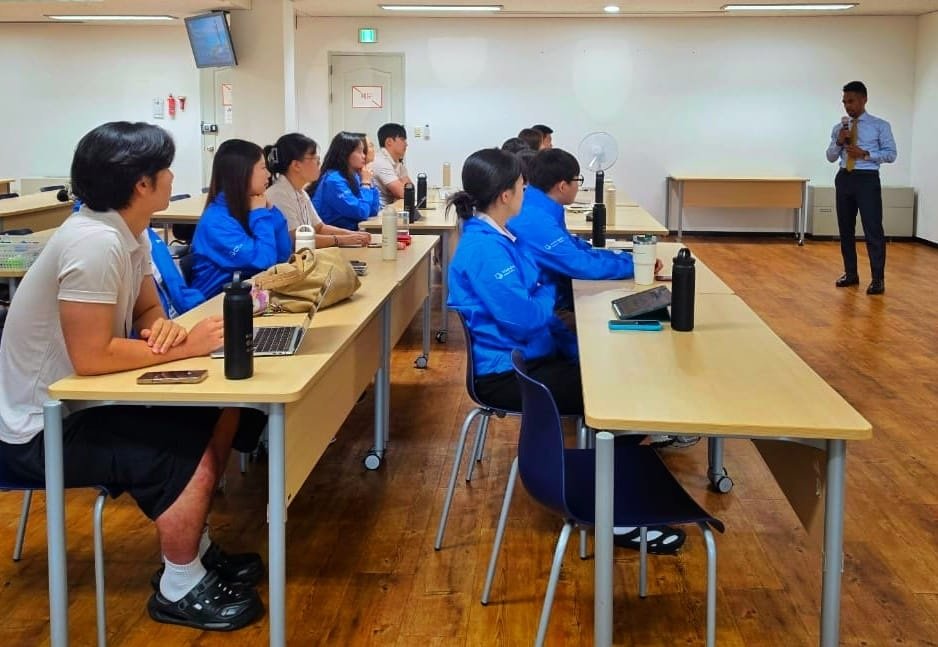
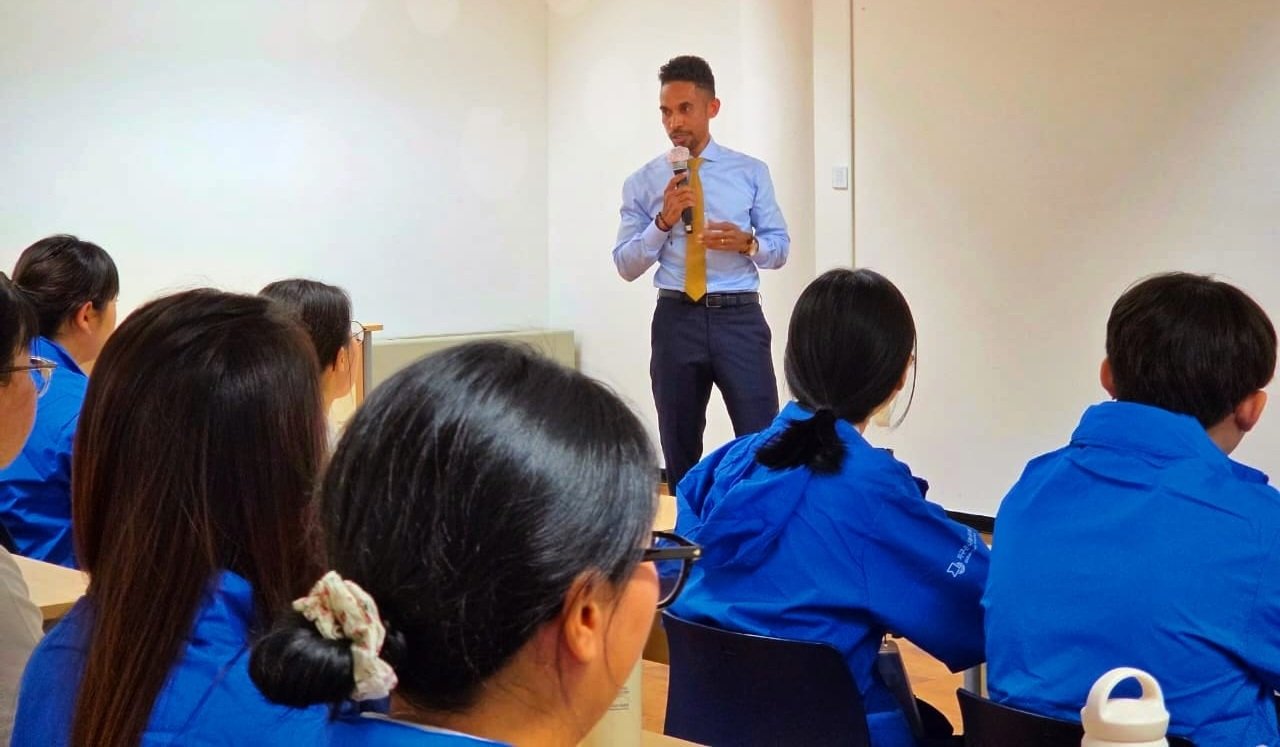
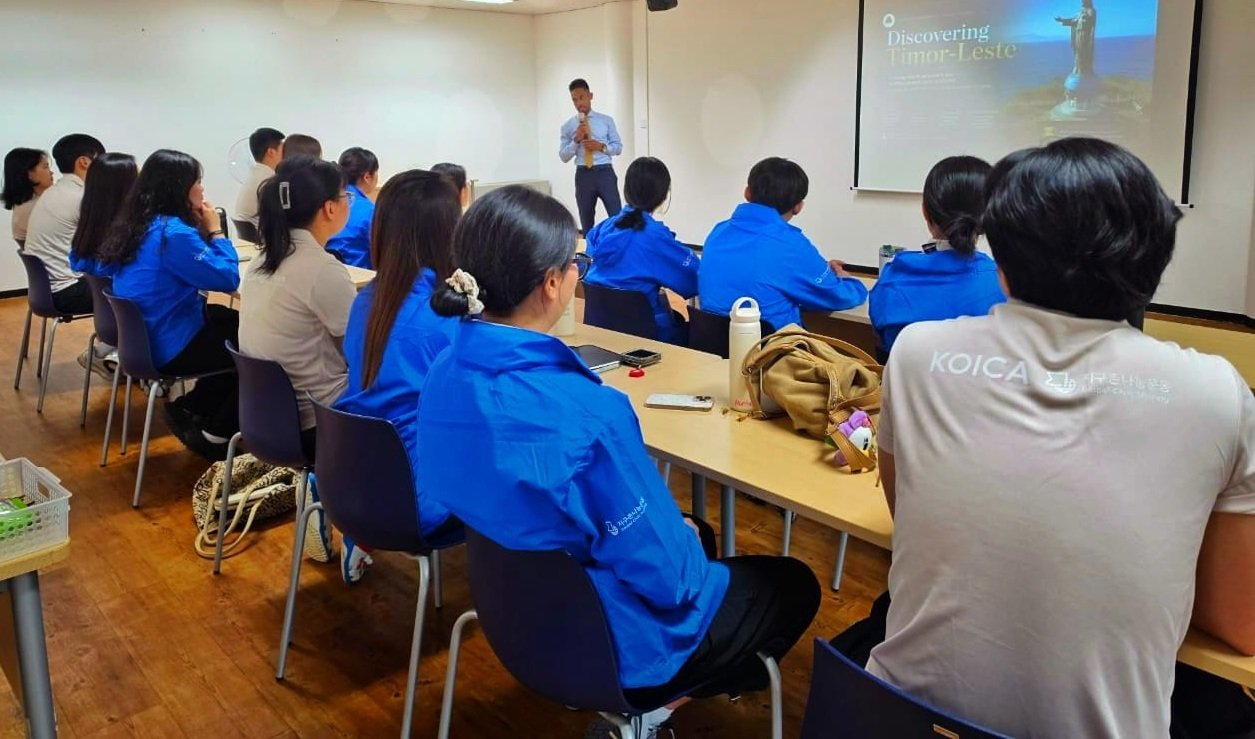
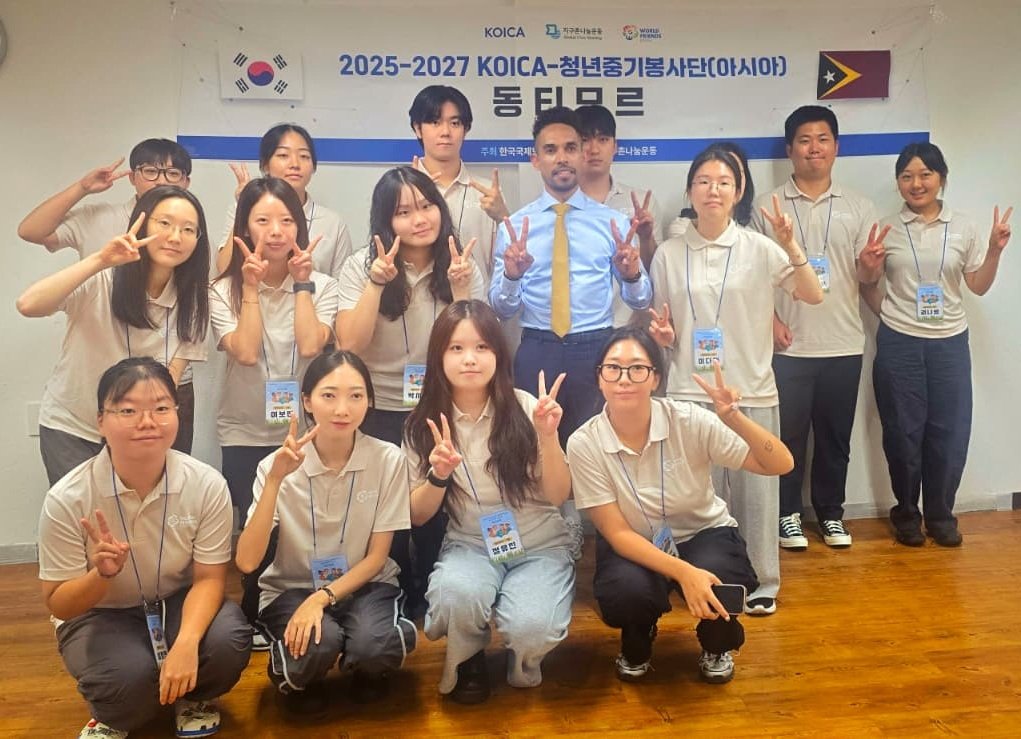
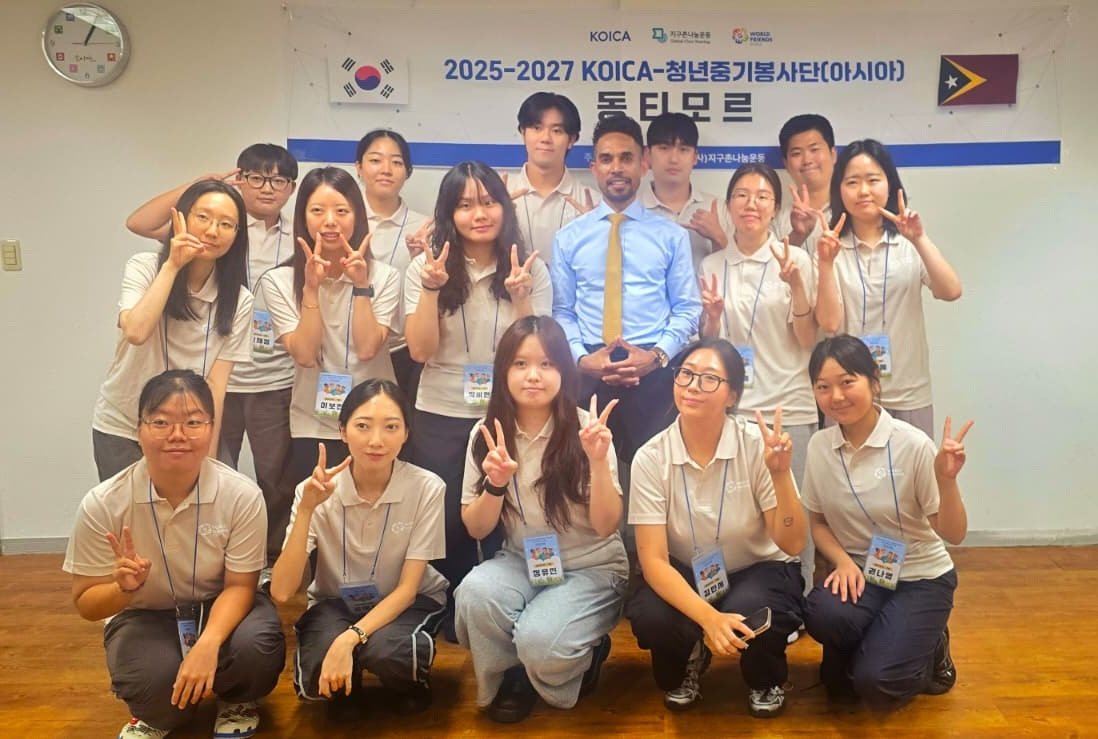
Which brings the lecture to why those particular young Koreans were in the room at all — and why their presence mattered beyond the immediate demands of volunteer placement. The friendship between Timor-Leste and Korea did not begin with a scholarship or a trade deal; it began with soldiers. In September 1999, as Timor-Leste teetered on the edge of anarchy following its vote for independence, the Republic of Korea sent its Sangroksu (Evergreen) Unit to join the United Nations peacekeeping mission. For four years, Korean troops helped keep the peace, rebuild roads and schools, and protect civilians while the new nation found its footing.
When independence was formally restored on 20 May 2002, Korea was among the very first countries to establish resident-level diplomatic relations with the newly independent nation. What began as peacekeeping has since grown into something far broader and more enduring: cooperation in education, capacity building, sport, healthcare, climate action, gender equality, and employment. Since 2009, Timorese workers have found jobs in Korea's fisheries, manufacturing, and agriculture sectors under formal government-to-government arrangements, while Korean volunteers arrive in Timor-Leste to teach, build, and learn in return.
3,212
Korean peacekeepers deployed, 1999–2003
8,077
Timorese working in Korea's fisheries, manufacturing & agriculture sectors, since 2009 until present (by 2026)
80+
Timorese scholars supported through KOICA & the Global Korea Scholarship (GKS)
2002
Diplomatic relations established between Timor-Leste and the Republic of Korea
By the end of the session, the point had been made without needing to be spelled out: these volunteers were not heading somewhere unfamiliar, but somewhere Korea has shared a relationship with for more than two decades. Understanding a little of Timor-Leste's history, politics, economy, and culture beforehand means arriving with context instead of guesswork — and that context, more than anything else, is what the Youth Mid-Term Volunteer Dispatch Program 2026 is designed to give them before they land. Because the difference between a volunteer who merely serves and one who truly connects often comes down to what they carry in their minds before they ever set foot on the ground.