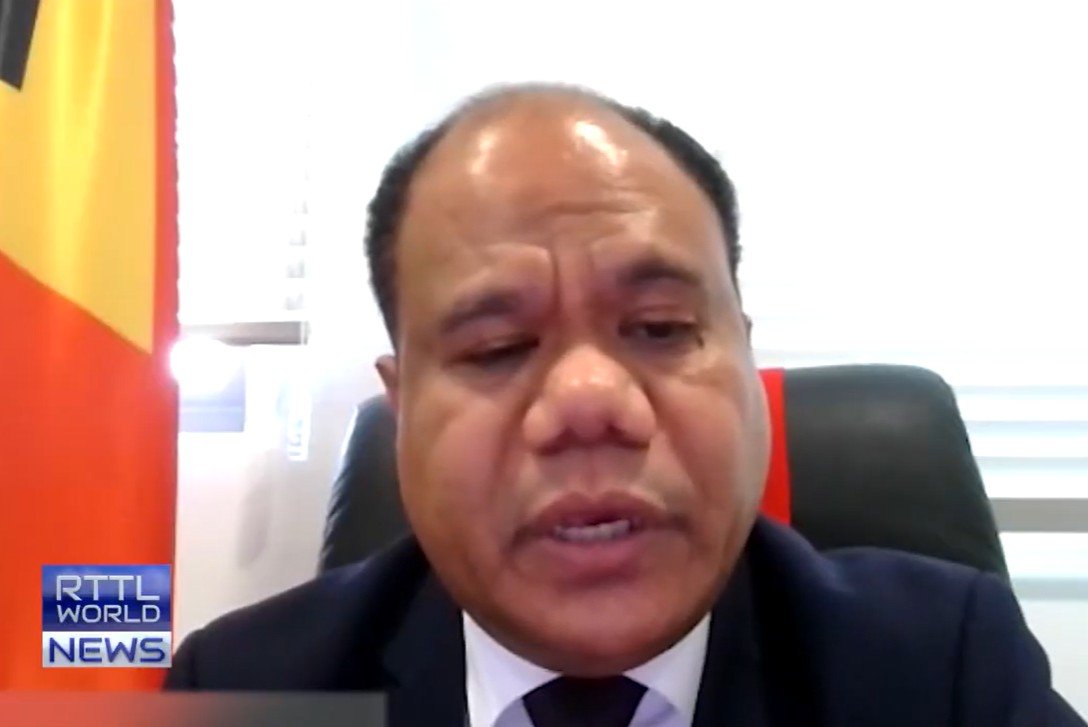
H.E. António de Sá Benevides, Ambassador of the Democratic Republic of Timor-Leste to the Republic of Korea.
In the conversation, Ambassador António de Sá Benevides clarified the structured division of roles between government institutions. Preparing workers' eligibility at home falls under the mandate of SEFOPE, the State Secretariat for Professional Training and Employment. The Embassy, meanwhile, takes on a crucial role in supporting integration once workers arrive in South Korea.
The Embassy actively accompanies workers through the three-day induction period organised by the Human Resources Development Service of Korea (HRDK). The Embassy's core areas of guidance include:
The Ambassador affirmed that Timorese migrant workers are protected under the same legal framework as workers from other nations under South Korea's labour jurisdiction. These protections cover minimum wage standards, safe working environments, and health and workplace accident insurance.
While the Embassy has no direct authority to enforce Korean labour law, it acts as a proactive facilitator. It ensures workers receive full support in reporting any form of unfair treatment or rights violations, such as unpaid wages, to the relevant Korean labour authorities.
Addressing reports of fatal incidents involving Timorese workers, most of them in the maritime and fisheries sector, the Ambassador outlined firm mitigation measures. He stressed that fluency in Korean is a fundamental, non-negotiable qualification, allowing workers to understand instructions and comply with safety regulations.
For high-risk sectors such as fisheries, physical fitness and practical work experience are top priorities for employers. In response, the Government of Timor-Leste, through SEFOPE, has expanded its Pre-Departure Orientation curriculum to now include:
Meanwhile, the South Korean government continues to tighten its workplace safety ecosystem through a series of regulatory reforms. Ambassador António de Sá Benevides highlighted the implementation of the Occupational Safety and Health Act, the Serious Accidents Punishment Act, and the Roadmap to Zero Workplace Fatality.
These regulations place strict emphasis on employers' absolute responsibility, mandatory risk assessments, regular safety inspections, and the active involvement of workers in safety management. The Embassy of Timor-Leste will continue working closely with South Korean authorities to ensure these regulations translate directly into safety for every one of Timor-Leste's overseas workers.
Watch the full interview · RTTL World News, Seoul